
Research
Distinguished Senior Assistant Professor (Principal Investigator)
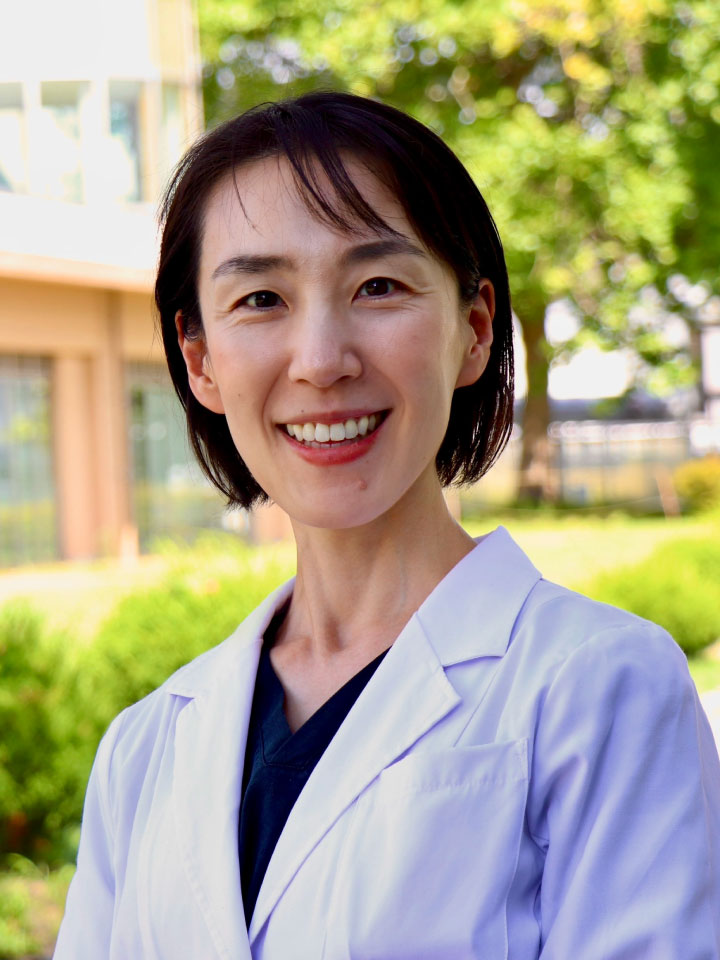
Risa Ebina-Shibuya, M.D., Ph.D.
Research Fields
Lung microenvironment and immune response, Molecular oncology, Cancer immunology, Translational control mechanisms
Research Subject
Interaction between translational dysregulation and the tumor microenvironment in lung cancer
Molecular basis of T cell exhaustion and therapeutic strategies through translational control
Academic Memberships
The Japanese Society of Internal Medicine
The Japanese Respiratory Society
Japanese Society for Immunology
The Japan Lung Cancer Society
The Japanese Cancer Association
Research Outline
The lung is a unique organ that directly interfaces with the external environment. In lung cancer tissues, factors such as hypoxia, chronic inflammation, and immunosuppressive cells shape the tumor microenvironment and contribute to the heterogeneity of lung cancer pathology.tRNAs are key molecules in protein synthesis, and their chemical modifications finely tune the efficiency and fidelity of translation. Abnormalities in tRNA modifications have been implicated in cancer progression, resistance to immune checkpoint inhibitors, and T-cell dysfunction.
Our research focuses on tRNA modifications and translational control to elucidate, at the molecular level, the interactions between cancer cells and immune cells within the lung microenvironment, as well as the mechanisms underlying the heterogeneity of lung cancer pathology.
Analysis of translational abnormalities and tumor microenvironment in lung cancer
Focusing on non–small cell lung cancer (NSCLC), we aim to comprehensively analyze abnormalities in tRNA modifications and translation dynamics in cancer cells, and to clarify their relationship with proliferation, metastasis, and immune evasion within the tumor microenvironment.
Translational control and mechanisms of T-cell exhaustion
We investigate changes in tRNA modifications and translation in tumor-infiltrating T cells to uncover the molecular basis of functional decline and exhaustion in the lung cancer microenvironment. Furthermore, by targeting translational regulation to restore T-cell function, we aim to develop novel therapeutic strategies.
Building on these findings, we are working to develop new lung cancer therapies that target tRNA-modifying enzymes and translational pathways, ultimately aiming to achieve personalized medicine that accounts for disease heterogeneity